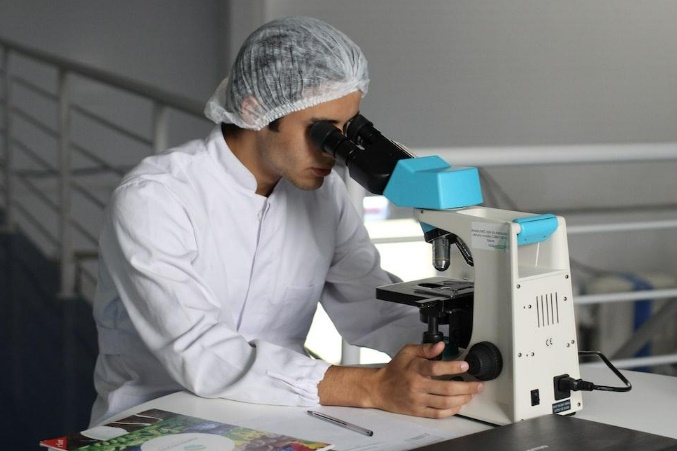

If you have been researching regenerative medicine recently, there is a good chance you have come across Colombia as a destination for stem cell therapy. The country has been quietly building a reputation for high-quality, affordable medical treatments, and interest from international patients has grown significantly over the last few years. One of the best resources to start your research is Stem Cells Colombia, which provides detailed information about treatment options available in the country. Whether you are dealing with a chronic condition, exploring alternatives after exhausting conventional medicine, or simply trying to understand your options, this guide breaks down everything you should know before making the trip.
What Is Stem Cell Therapy
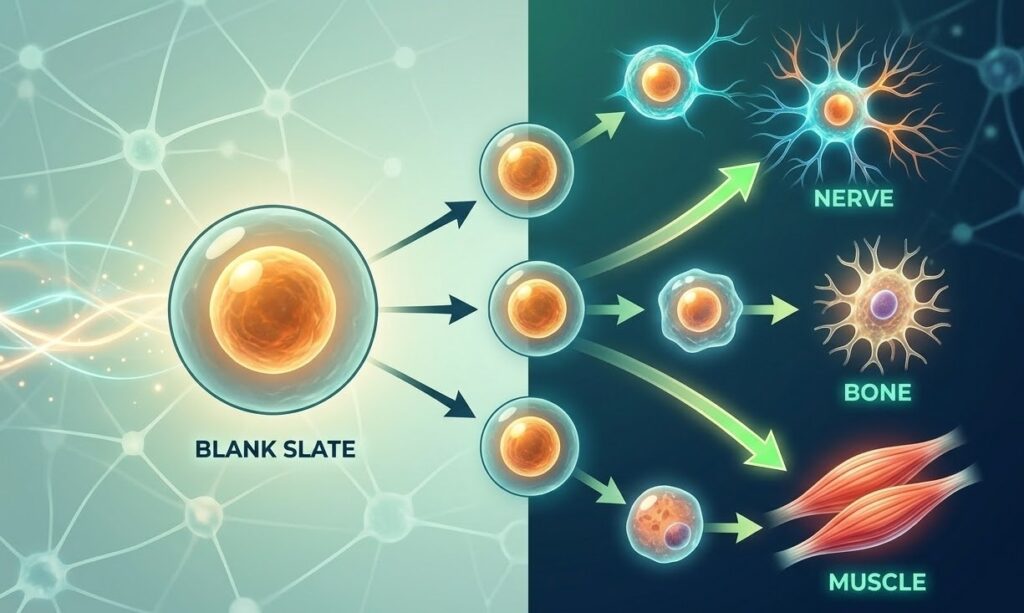
Stem cell therapy falls under the broader category of regenerative medicine. The basic idea is that stem cells have the unique ability to develop into many different types of cells in the body. When introduced into damaged or diseased tissue, they can potentially stimulate repair and regeneration in ways that conventional treatments cannot.
There are several types of stem cells used in clinical settings today. Autologous stem cells come from the patient’s own body, typically harvested from fat tissue or bone marrow, which reduces the risk of rejection. Allogeneic treatments use donor cells, which can be more potent in some applications. A popular source for donor-derived cells is umbilical cord tissue, specifically a substance called Wharton’s Jelly, which is rich in mesenchymal stem cells. These are widely used in Colombia because of their availability, low rejection risk, and strong regenerative potential.
It is worth understanding that stem cell therapy exists on a spectrum. Some applications, like bone marrow transplants for blood cancers, have been in clinical use for decades and are well-established. Other uses are still being studied and refined. The treatments offered at medical clinics abroad, including in Colombia, often fall into a middle category where there is substantial clinical evidence but ongoing research. Knowing where your condition fits on that spectrum is an important first step before committing to anything.
What Conditions Are Being Treated
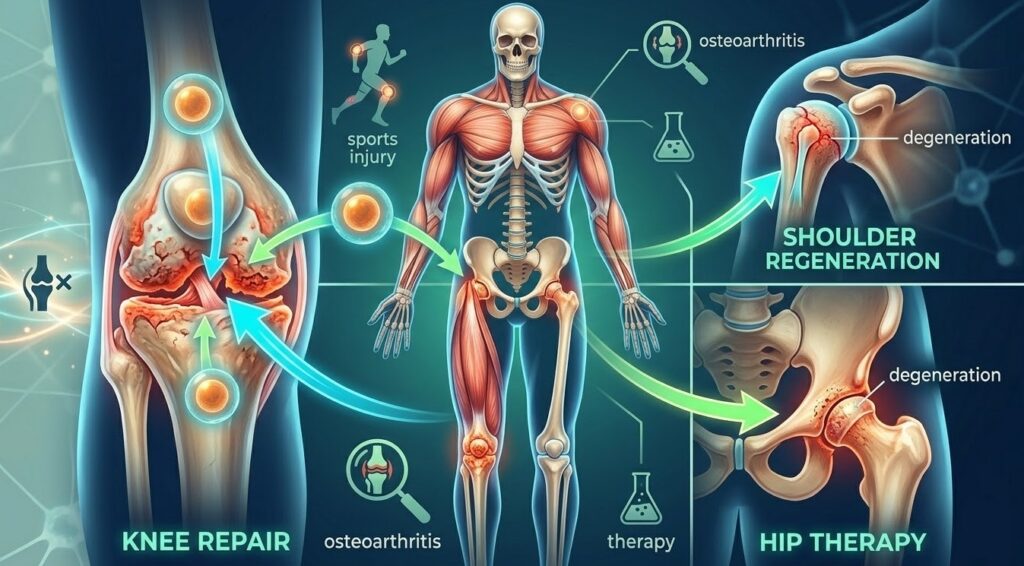
The range of conditions for which patients are seeking stem cell therapy has expanded considerably. Orthopedic conditions are among the most common. People with osteoarthritis, degenerative joint disease, and sports injuries have been traveling to Colombia to explore treatments that may reduce inflammation, slow further degradation, and support tissue repair in knees, hips, and shoulders.
Neurological conditions represent another significant category. Patients with multiple sclerosis, Parkinson’s disease, and those recovering from strokes have been seeking stem cell treatments as a way to support nerve regeneration and slow disease progression. Results vary widely depending on the stage of the condition and the type of treatment used, so realistic expectations are important going in.
Autoimmune disorders, including lupus, rheumatoid arthritis, and Crohn’s disease, have also been treated with stem cell protocols in Colombia. The thinking is that stem cells can help modulate immune response rather than simply suppressing it, which is how most conventional drugs work. Chronic pain and systemic inflammation are frequently addressed alongside these diagnoses.
There is also growing interest in the use of stem cells for anti-aging and general wellness. Some patients travel to Colombia not because of a specific illness but because they want to support cellular health, improve energy levels, and address the slower recovery that often comes with aging. Cosmetic applications like hair restoration and skin rejuvenation are increasingly part of this category as well.
It is important to approach all of these with realistic expectations. Stem cell therapy is not a guaranteed cure for any condition, and outcomes depend on many factors including the type of cells used, the delivery method, the clinic’s protocols, and the individual patient. Anyone considering treatment should consult directly with a qualified specialist to get an honest assessment of what results are realistic for their specific situation.
Why Colombia Has Become a Hub for Stem Cell Therapy
There are several reasons why Colombia has risen to the top of the list for international patients seeking stem cell treatment.
A Strong Medical Foundation
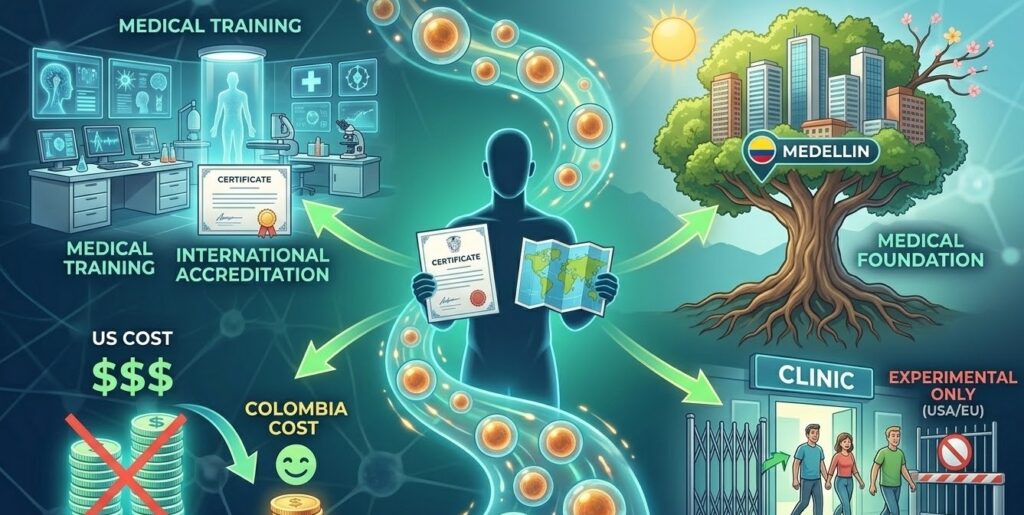
Colombia’s healthcare system has long been considered one of the strongest in Latin America. The country produces a large number of highly trained physicians each year, and it is common for Colombian specialists to complete additional training in the United States, Spain, or other European countries. That international training background means patients are often working with doctors who are current on global research and best practices.
Clinics in cities like Medellin and Bogota operate at a level that would be familiar to patients from North America or Europe. Modern diagnostic equipment, clean facilities, and professional staff are standard at reputable clinics. The difference is the cost.

The Cost Difference Is Significant
In the United States, a single round of stem cell therapy can cost anywhere from $30,000 to $50,000 or more, depending on the condition and the type of treatment. Most insurance plans do not cover it, which puts it out of reach for a large portion of the population. In Colombia, the same quality of treatment can be obtained for a fraction of that cost. Even after factoring in international airfare and a stay of one to three weeks, patients typically save a substantial amount.
This is not a case of cutting corners to get a lower price. The cost difference reflects Colombia’s lower cost of living, lower operating costs for clinics, and different pricing structures in the healthcare system. The cells used, the training of the doctors, and the quality of the protocols are comparable to what you would find in a higher-cost country.
Treatment Access
Colombia’s regulatory framework for regenerative medicine is more flexible than what exists in the United States or the European Union. In the U.S., many stem cell treatments are still classified as experimental and are only available through clinical trials. In Colombia, treatments that have shown strong safety profiles and consistent results in clinical practice are available to patients directly through qualified clinics. This is one of the main reasons patients travel specifically to get access to treatments their home country has not yet approved for general clinical use.
That said, Colombia does maintain oversight of medical treatments. Reputable clinics operate within established guidelines and prioritize patient safety. The flexibility in access does not mean anything goes, and patients should still seek out properly regulated providers.
Medellin as a Recovery Destination
There is a practical reason why Medellin tourism in particular has become very popular with people wanting to include medical procedures among their to-do list in the city. The city sits at an elevation of about 1,500 meters, giving it a mild, spring-like climate year-round that most visitors find comfortable. It has excellent infrastructure, a growing number of international restaurants, and strong connectivity through Jose Maria Cordova International Airport, with private MDE airport pickup available around the clock.
For patients who need to stay for one to three weeks during a treatment protocol, or who want time to recover before flying home, Medellin offers plenty of options. Day tours to Medellin’s best coffee farm, visits to the historic neighborhood of Comuna 13, and excursions on our nearby Guatape tour are all manageable activities during a recovery period. Having a comfortable, interesting city to spend time in makes the overall experience much easier than being stuck somewhere with nothing to do.

What to Look for in a Clinic
Choosing the right clinic is the most important decision you will make in this process. There are reputable operators doing excellent work, and there are others who are less careful. Knowing the difference matters.
Start by verifying credentials. Look for clinics that are transparent about which doctors are performing the procedures, their training background, and the type of cells being used. A good clinic will be willing to explain their protocols in detail, including how stem cells are sourced, processed, and administered. If a provider is vague about any of these details, that is a reason to keep looking.
Ask specific questions during your initial consultation. What type of stem cells do you use and why? What is the source? Have you treated patients with my condition before and what results did they typically see? What does follow-up care look like? What are the realistic outcomes I should expect given my specific situation?
Be cautious about any clinic that promises guaranteed results or dramatically overstates what stem cell therapy can do. Outcomes are real and well-documented for many conditions, but no ethical provider will promise a cure.
One resource that can help you navigate the options is Stem Cells Colombia. Experienced physicians such as Dr. Rocio Vargas, who works in the Medellin area and specializes in regenerative medicine and medical cannabis treatments, represent the kind of qualified, patient-focused care you should be looking for when evaluating your options.
How to Plan Your Trip
Once you have done your research and identified a clinic you trust, the planning process is fairly straightforward.

Start with a remote consultation. Most reputable clinics will arrange a video call to review your medical history, assess whether you are a good candidate, and explain which treatment protocol would apply to your situation. This step is essential before booking anything.
Understand your timeline. Some treatments can be completed in a single visit of a few days. Others require a protocol spread over one to three weeks, with multiple infusions or procedures. Ask the clinic exactly how long you should plan to stay so you are not caught short.
Colombia does not require visas for citizens of the United States, Canada, most European countries, and many other nations for stays of up to 90 days. Entry is straightforward, and the main international airports in Medellin and Bogota have regular direct flights from major North American and European hubs.
Travel insurance is worth having. Medical travel insurance that covers complications abroad is a smart precaution even when traveling to a reputable clinic. Check whether your existing policy covers international medical procedures or whether you need a separate plan.
Build in time to rest. Recovery from stem cell treatments varies by procedure, but most patients are advised to limit strenuous activity for the first few days. Planning some low-key activities for that period, whether that is exploring a neighborhood on foot, visiting a coffee farm, or simply relaxing in a well-reviewed hotel, makes the overall experience more manageable.
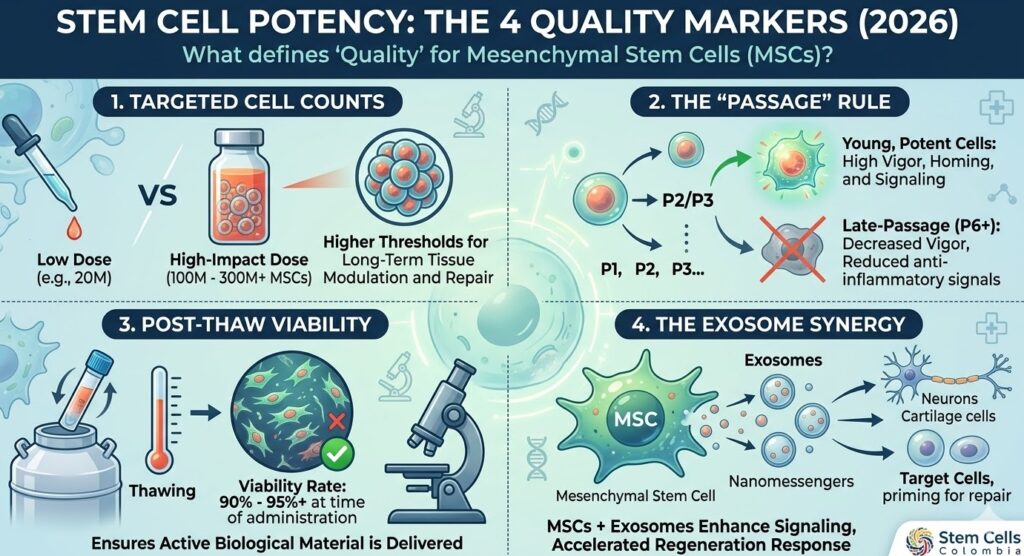
The Science of Potency: What Defines Quality in 2026?
By 2026, the global conversation around regenerative medicine has shifted from if stem cells work to how to ensure maximum potency. When evaluating a clinic in Colombia, savvy patients no longer just ask for “stem cells”; they look for these four specific quality markers that determine the success of a treatment:
-
Targeted Cell Counts: High-impact protocols, especially for systemic conditions or neurological repair, now typically utilize doses ranging from 100 million to 300 million Mesenchymal Stem Cells (MSCs). Lower doses may offer temporary relief, but clinical data suggests these higher thresholds are necessary for long-term tissue modulation.
-
The “Passage” Rule: Cell potency decreases every time they are expanded in a lab. Top-tier Colombian labs prioritize Passage 2 or Passage 3 (P2/P3) cells. By avoiding “late-passage” cells (P6 or higher), clinics ensure the cells retain their original vigor, homing capabilities, and anti-inflammatory signaling.
-
Post-Thaw Viability: A lab report is only as good as the cells that survive the trip to the injection site. Reputable providers should provide documentation showing a 90% to 95%+ viability rate at the time of administration, ensuring you aren’t paying for inactive biological material.
-
The Exosome Synergy: One of the most significant advancements in 2026 is the use of Exosomes (extracellular vesicles) alongside MSCs. These “nanomessengers” enhance the signaling between cells, essentially “priming” the body’s environment to receive the stem cells and accelerating the regenerative response.

Regulatory Excellence: INVIMA and the 2024 Framework
One of the most common misconceptions is that Colombia is “unregulated.” In reality, the country has one of the most robust frameworks for advanced therapies in Latin America.
All reputable medical facilities and laboratories in Colombia are overseen by INVIMA (Instituto Nacional de Vigilancia de Medicamentos y Alimentos), the national equivalent of the U.S. FDA. To ensure patient safety and cell quality, high-end clinics operate in partnership with GMP-certified (Good Manufacturing Practice) laboratories. This certification guarantees that the cells are processed in sterile, pharmaceutical-grade environments with strict protocols for screening and expansion.
Furthermore, the landscape of Colombian medicine was significantly strengthened by the 2024 Advanced Therapies Law (Ley de Terapias Avanzadas). This landmark legislation created a clear legal pathway for “Advanced Therapy Medicinal Products” (ATMPs), distinguishing legitimate regenerative medicine from unproven aesthetic treatments. This legal clarity has allowed Colombia to become a global leader in clinical application, providing patients with a level of transparency and safety that often exceeds what is available in “gray market” clinics elsewhere in the world.
What to Expect During and After Treatment
The actual experience of receiving stem cell therapy depends on the type of treatment. Most protocols start with testing and an in-person evaluation to confirm the treatment plan. The procedure itself is typically an outpatient process that takes a few hours. Depending on the protocol, cells may be administered by injection directly into a joint, intravenously, or through another method suited to the condition being treated.
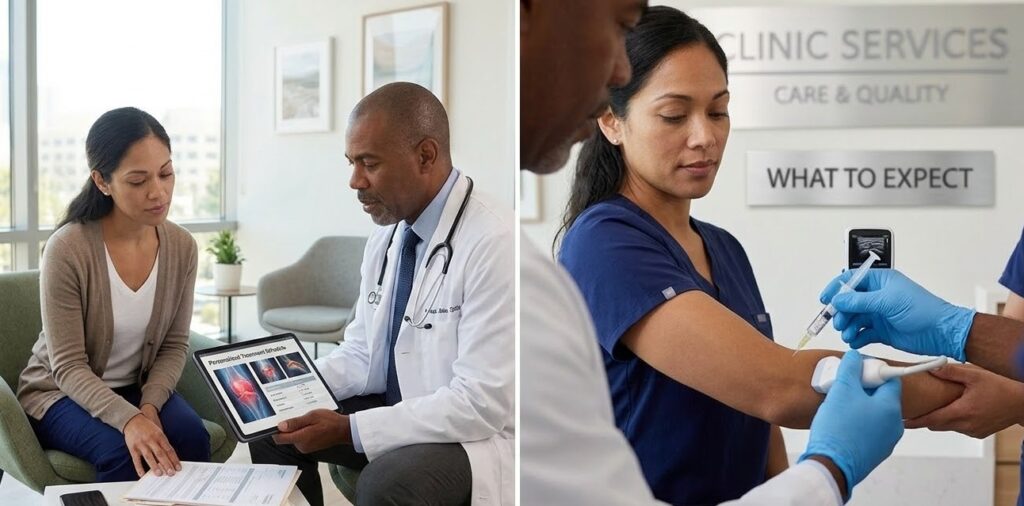
Most patients tolerate the procedure well. Some experience mild fatigue or soreness in the days following treatment, which is normal as the body responds to the cells. Serious side effects are uncommon at reputable clinics that follow proper protocols.
It is important to manage expectations about timing. Stem cell therapy is not a treatment where you walk out the door feeling completely different. Results typically develop over weeks and months as the cells work at a cellular level. Some patients begin noticing improvements within a few weeks, while others see the full benefit at the three to six month mark. Having a clear picture of this timeline going in makes it easier to evaluate whether the treatment is working.
Before you leave Colombia, make sure you receive documentation of your treatment to share with your doctor at home. Follow-up care and monitoring are part of a responsible treatment plan, and your home country physician should be kept informed.
Frequently Asked Questions
Is stem cell therapy legal in Colombia?
Yes. Stem cell treatments are legal in Colombia and are offered through regulated medical clinics. The country allows broader access to regenerative medicine treatments than countries like the United States, where many applications are still restricted to clinical trials.
Is it safe to travel to Medellin for medical treatment?
Medellin has changed significantly over the past two decades and is now considered safe for international visitors, particularly in the areas where medical tourists typically stay. Common sense precautions apply as they would in any large city.
How much does stem cell therapy cost in Colombia?
Costs vary by condition and treatment type, but most protocols range starting from $15,000 USD. This is considerably lower than equivalent treatments in North America or Western Europe, and even Mexico and other Latin American countries.
How long do I need to stay in Colombia?
It depends on the treatment protocol. Some patients complete their treatment in three to five days. Others require a stay of two to three weeks. Your clinic will give you a specific timeline during the consultation phase.
Will my health insurance cover stem cell therapy abroad?
Most standard health insurance plans do not cover experimental or elective procedures abroad. There are some exceptions and some supplemental plans that provide partial coverage, but you should verify directly with your insurer before assuming any costs will be covered.
Where can I learn more about specific treatments?
Stem Cells Colombia is a strong starting point for detailed information about treatments available in the country and English-speaking Stem Cell Therapy specialist Dr. Rocio Vargas will be happy to discuss treatment options.

Wrapping Up
Colombia has become a serious destination for people looking for high-quality, affordable stem cell therapy. The combination of well-trained medical professionals, modern facilities, lower costs, and broader treatment access has attracted patients from North America, Europe, and beyond. Medellin in particular offers a comfortable and interesting environment for the weeks surrounding a treatment.
The key is doing your research carefully, asking the right questions, choosing a clinic with verifiable credentials, and going in with realistic expectations about what the treatment can do. This is not a decision to make quickly or based on a single source of information, but for the right patient and the right condition, it can genuinely be worth the trip.