
Looking at Comuna 13 today, one can barely tell that this is the same place where soldiers, paramilitaries, and guerrilla fighters once waged one of Colombia’s most violent urban conflicts. What has come to be known today as the most colourful district in Medellin and one of the most visited places in Colombia was once considered one of the most dangerous places in the world.
So how exactly was Comuna 13 able to rebrand itself and leave its bloody past behind? Join us as we explore Medellin’s past and attempt to answer this question.
A History Drenched in Violence
It is impossible to talk about Comuna 13’s transformation story without understanding the broader socio-political and historical context of the region. Nestled in the western hills of Medellin—the epicenter of Pablo Escobar’s drug cartel—Comuna 13 was one of the many marginalized neighborhoods in the region plagued by constant violence and unrest.
Following the collapse of Escobar’s empire in 1993, the resulting power vacuum in the region was quickly filled by a new wave of armed actors. Guerrilla groups and paramilitaries like FARC, ELN, and AUC moved into the region, starting a new surge in violence and unrest. It was the involvement of these paramilitary organizations that really marked the beginning of Comuna 13’s darkest days.
Comuna 13’s geographical location made it the perfect stronghold for many of these bad actors. Being located in the hills, the district was mostly isolated from the rest of Medellin’s urban core. Also, since the district had mostly developed naturally from a simple farm settlement, it was essentially outside government control, making it easy picking for these armed groups.
In the decade following Escobar’s death, dozens of armed groups had made Comuna 13 their base of operation. Apart from guerrilla groups like FARC and ELN, and paramilitaries like the AUC, there were also local criminal gangs and neighbourhood militias, further complicating issues.
To quell the growing unrest in the region, the Colombian government would launch a series of large-scale military interventions. These operations would, however, escalate violence in the region, with locals caught in the crossfire. During this period of Comuna 13’s history, thousands of people would be officially documented to have died due to the violence, and hundreds kidnapped. Unofficial accounts, however, would claim the death toll to be much higher, with some records claiming numbers nearing a hundred thousand.
The Turning Point

After Operation Orion—the Colombian government’s final major military action in the region—Comuna 13 finally saw the end of nearly a decade of open conflict. However, this newfound freedom would come at a cost. Human rights organizations and local advocacy groups would report numerous human rights violations committed against locals, including but not limited to arbitrary detentions, forced disappearances, and extrajudicial killings. When the military was finally done, the district had been thoroughly devastated, its residents displaced.
In many ways, this was the turning point for Comuna 13. Yes, things were bad, but at least it was a fresh start. And that fresh start was all the people of Comuna 13 needed to change their story.
A Transformation that Shocked the World
It is no exaggeration to say that Comuna 13’s transformation was a result of necessity. The decade-long conflict had left the district in urgent need of reconstruction. But there was more than just infrastructure to rebuild. The conflict had shattered everything from the community’s social cohesion to its reputation; as such, the survivors had to rebuild their society from the ground up.
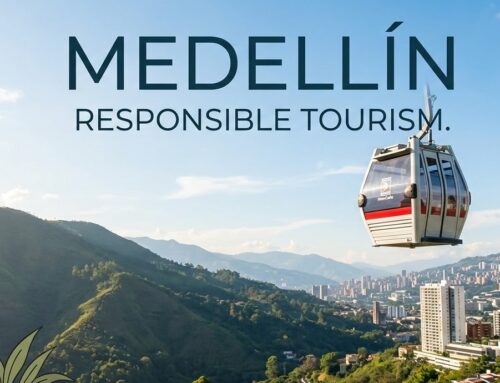
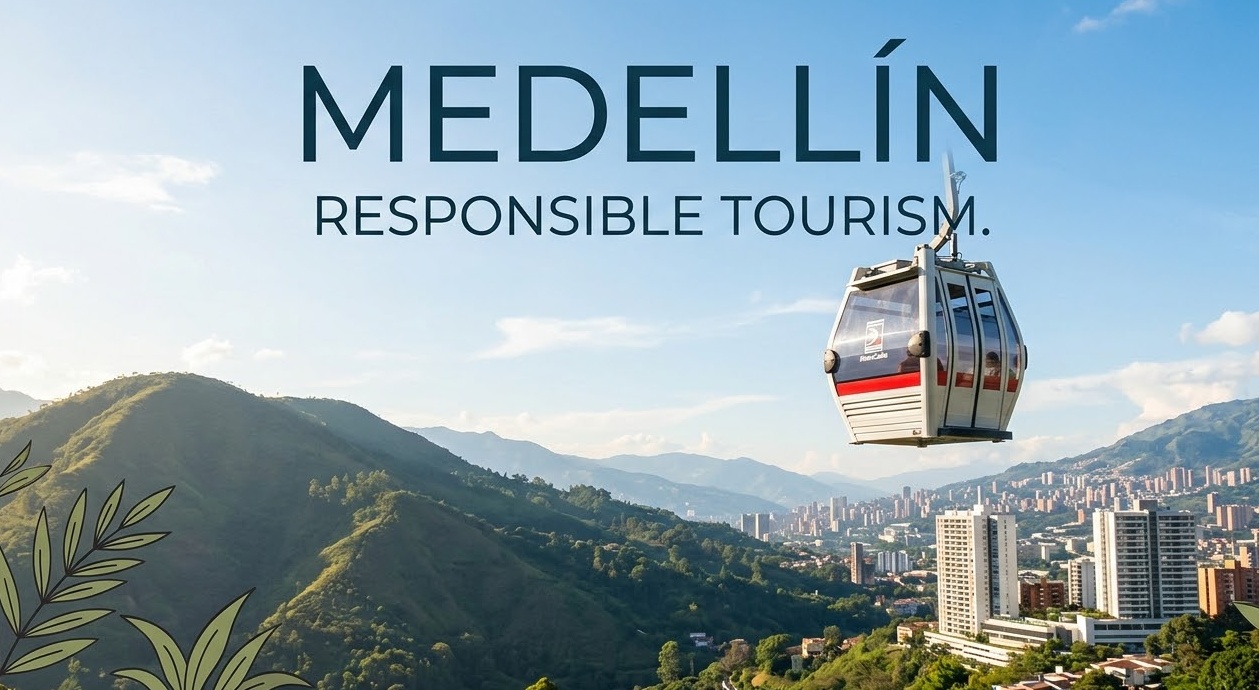
It is worth mentioning that the Colombian government didn’t abandon Comuna 13 during this essential time in its transformation. In the years following Operation Orion, Medellin’s government—under the leadership of Mayor Sergio Fajardo—began implementing ambitious urban and social innovation programs aimed at assisting the city’s more marginalized communities. These efforts would include notable projects like the famous Metrocable and the community’s many outdoor escalators. Numerous social programs aimed at increasing youth education and employment opportunities in the region would also be established during this period.
The Secret Ingredient that Fixed a District

Of the many programs initiated by the Medellin government in a bid to bring development to the region, the one that truly transformed Comuna 13 was something most would not have expected — art.
Among the social programs launched by the Medellin government were a series of public art initiatives. These programs were designed to inspire residents to take ownership of their environment and rewrite the narrative of their community. No one could have expected what came next.
The art programs changed everything. It started small: local artists leaving their marks around the community. They transformed battered walls into works of art; their murals standing as beacons of hope in a region just healing from one of the deadliest urban conflicts in recent history.
But the murals were just the beginning. As the murals started to spread around the districts, so too did hope. Slowly but surely, the energy began to shift, and the air became ripe with a sense of possibility. This, in turn, led to even more murals going up, further lightening the district’s mood.
The rest of the art initiatives began to take off soon after. Before long, music, dance, and community performances began to fill the streets alongside the murals. The government and local organizations took notice of the change, and attention was once again focused on Comuna 13. But this time it wasn’t because of crime, violence, or human rights violations; it was because of creativity and an unwavering spirit in the face of adversity.
Conclusion
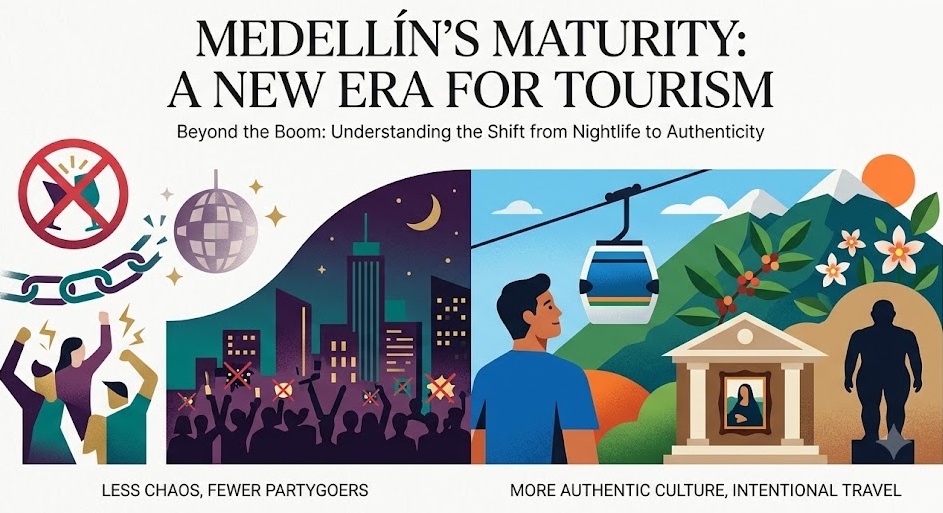
In just about two decades, Comuna 13 successfully flipped the script, transforming itself from one of the most dangerous places on the planet in the early 2000s to Medellín’s most colorful district by 2019. Today, this is one of the most visited tourist sites in all of Medellin, a testament to the power of art, community, and the power of the human spirit.
Want to learn more about Comuna 13 and its unbelievable transformation story? At Medellin Tours, we provide regular barrio tours of locations all over Medellin. Whether you are looking for a day-tour of Comuna 13 or a more extensive city break, we’ve got you covered. Book a tour today.