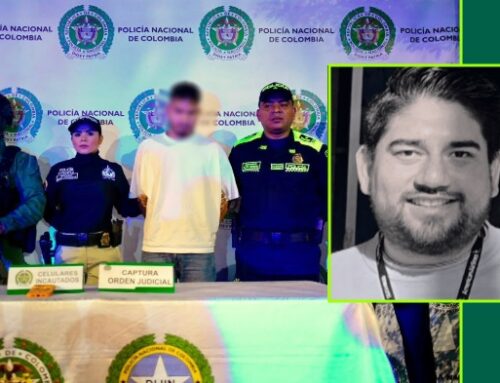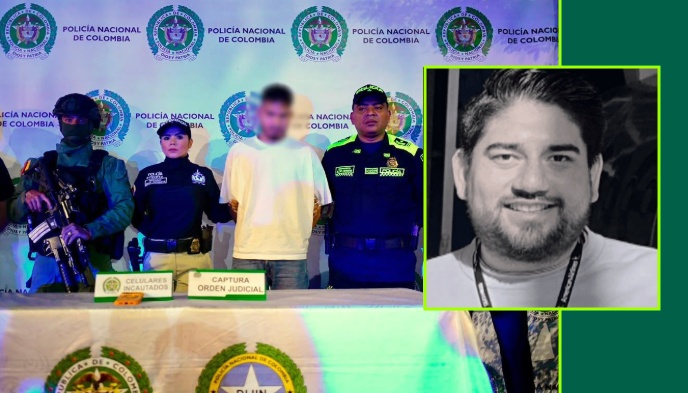
In March of 2024, a specific group of ten foreign travelers arrived at the José María Córdova International Airport expecting a typical vacation in the City of Eternal Spring. Instead, they were met by immigration officials who denied their entry and sent them back to their home countries on the next available flights. This event was not a random occurrence or a clerical error. It served as a clear signal that the city is no longer willing to tolerate travelers who arrive with the intention of exploiting vulnerable populations. This crackdown represents a significant shift in how the local government manages its borders and its reputation on the global stage.
While the news of people being turned away at the airport might sound harsh to some, it is actually a foundational part of a much larger plan to improve the city for everyone. For years, certain neighborhoods struggled with the negative side effects of unregulated tourism. Now, the local administration is taking a stand to ensure that the future of the city is defined by its innovation, culture, and safety rather than the outdated stereotypes of the past.
The Strategic Vision of a Reclaiming City
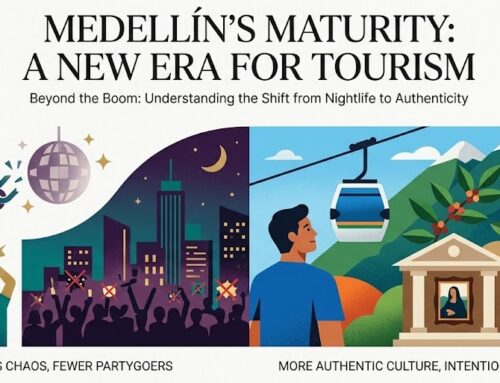
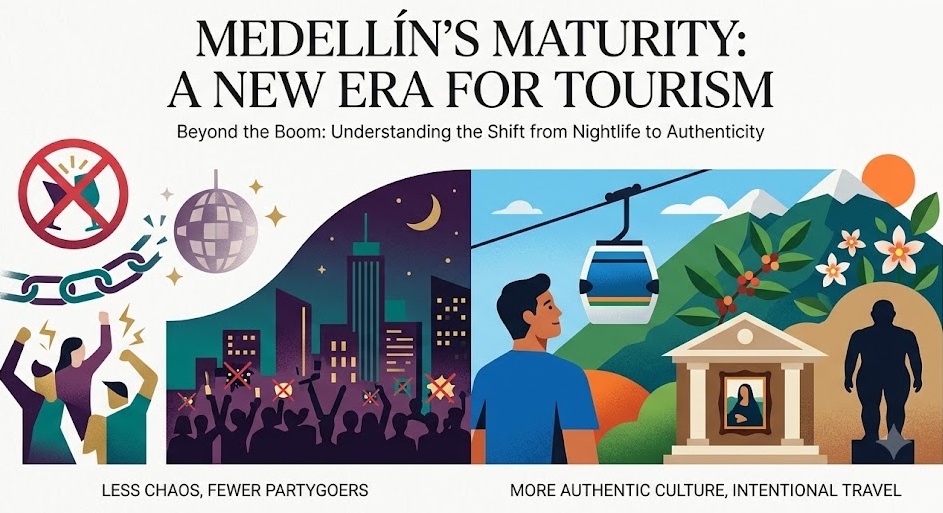
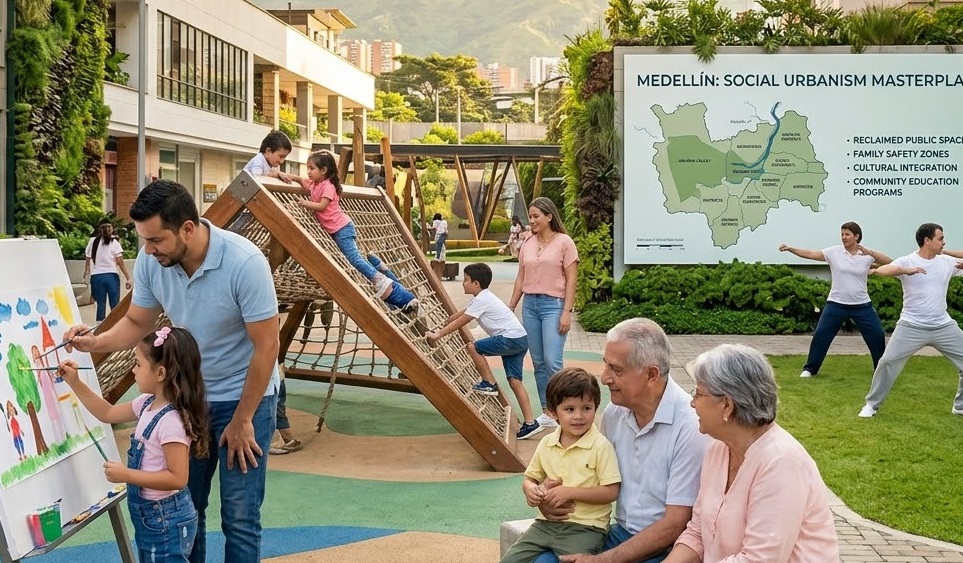
Mayor Federico Gutiérrez, often referred to by locals as “Fico,” has made it a central pillar of his administration to reclaim public spaces for families and ethical visitors. His 2024-2027 development plan focuses heavily on social order and the protection of children. One of the most visible steps in this plan has been the implementation of temporary bans on specific activities in high-traffic areas like Parque Lleras and the Provenza district. These zones were previously becoming synonymous with late-night disorder, but the new regulations aim to return these streets to the community.
By enforcing these rules, the city is sending a message that it is open for business but not for exploitation. This strategy is designed to steer the local economy toward sectors that provide long-term benefits to the residents. The goal is to attract visitors who want to engage with the local culture in a meaningful and respectful way.
Legal Teeth and International Cooperation
The legal framework in Colombia provides the necessary power for these enforcement actions. Law 2068 of 2020 established a comprehensive set of rules for sustainable and responsible tourism across the country. This law includes severe penalties for anyone involved in the exploitation of minors, with prison sentences that can reach over thirty years. There is no longer a “slap on the wrist” for those who break these laws; the consequences are life-altering and immediate.
International cooperation has also become a vital tool for local authorities. Through programs like Angel Watch, the Colombian government works with agencies such as the U.S. Marshals and Homeland Security to identify high-risk individuals before they even board a plane. This proactive screening process is what led to the ten denials at the airport in March. For the vast majority of visitors who book legitimate Medellin Tours to see the mountains or taste the world-class coffee, these security measures provide a sense of safety and ensure that their travel dollars are supporting a healthy local economy.
Growth Beyond the Old Narratives
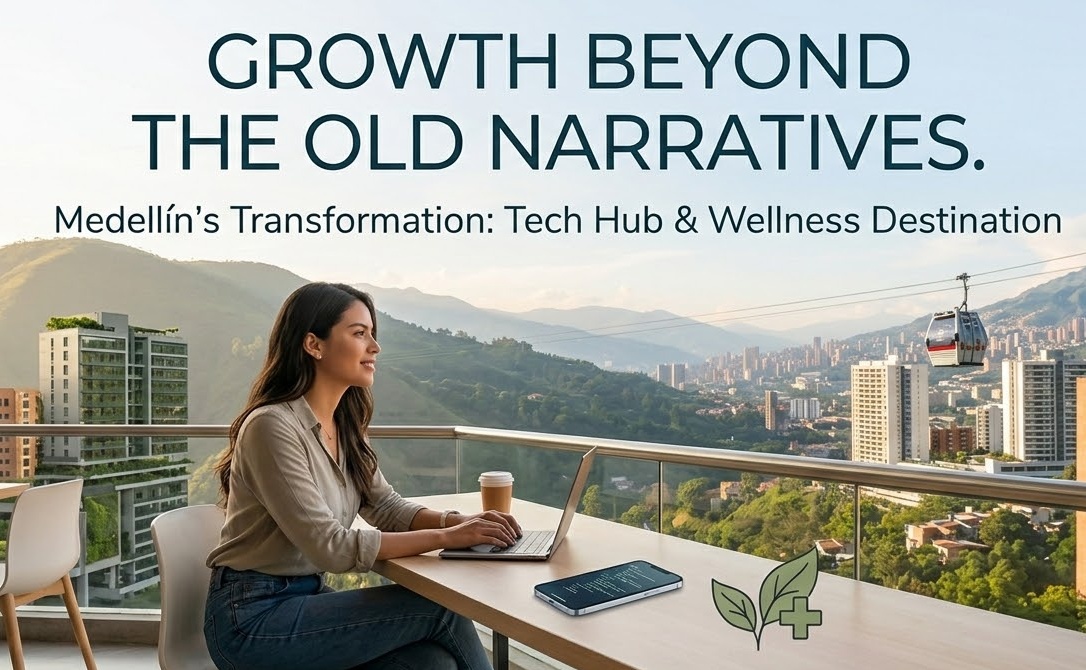
Beyond the headlines of airport denials, the city is undergoing a massive transformation in its industry and social life. It has become a global hub for the Fourth Industrial Revolution, attracting tech companies and digital nomads who appreciate the city’s infrastructure and climate. The rise of medical tourism is another success story, as people travel from across the globe to access high-quality healthcare and wellness retreats.
Neighborhoods that were once avoided, such as Comuna 13 and Moravia, have become global symbols of resilience and creativity. Local guides now lead visitors through streets filled with vibrant street art and music, telling the story of how a community can reinvent itself through social urbanism and public education. These are the stories the city wants to tell, and the recent crackdown is simply a way to protect these hard-won achievements.
How to be a Responsible Traveler
Being a responsible visitor in this new era requires very little effort but makes a huge impact. Travelers should prioritize businesses that are officially registered with the National Tourism Registry. Staying in verified hotels or registered short-term rentals helps prevent the displacement of local residents and ensures that the building follows strict safety and ethical protocols.
Supporting community-led projects and licensed guides is another way to ensure your visit has a positive effect. By choosing to engage with the city’s history and its future through legitimate channels, you contribute to the social progress of the community.
A Brighter Future for Medellin Tourism
The recent news of foreigners being barred from entry should not discourage the average traveler. In fact, it should serve as a point of reassurance. The city is maturing and setting higher standards for its guests because it values its own citizens and its future. By protecting its most vulnerable residents and cleaning up its most famous districts, the administration is ensuring that the city remains a welcoming, beautiful, and safe place for those who truly appreciate it. The “Eternal Spring” is blooming again, and this time, it is being built to last for generations.