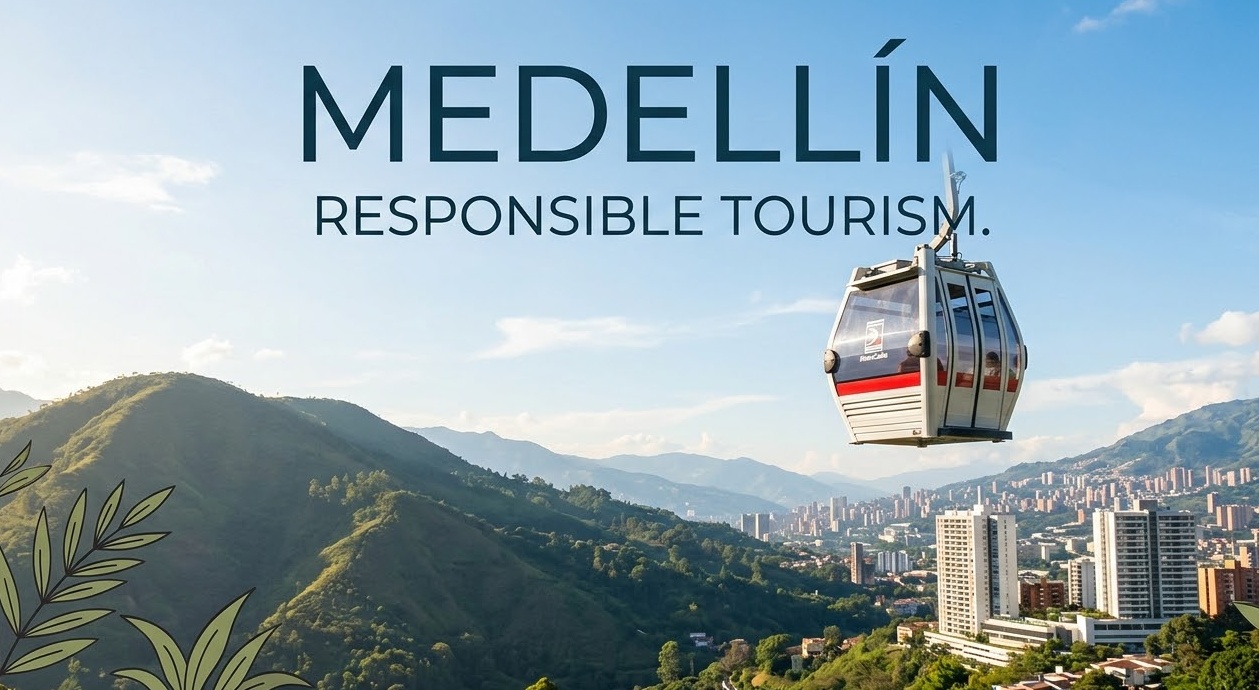
For the better part of a decade, the capital of Antioquia was the undisputed darling of South American travel. Travel blogs and social media feeds were overflowing with glowing recommendations for the City of Eternal Spring. Recently, a different narrative has started to take hold across internet forums and travel communities. A growing number of digital nomads and budget backpackers are loudly declaring that they are moving on, citing rising prices and security concerns. This has led to rumors of declining tourism rates and questions about whether the golden age of visiting this vibrant metropolis has come to an unceremonious end.
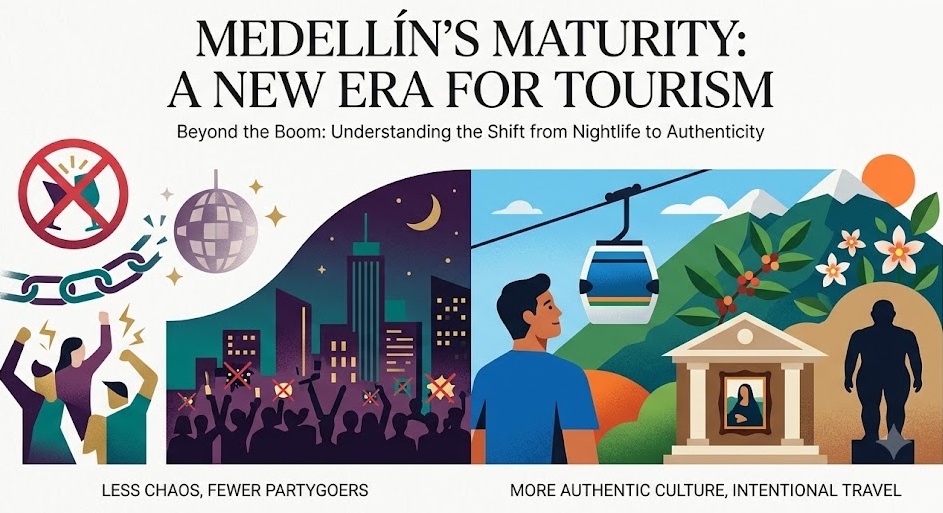
The reality of the situation is far more nuanced than viral videos and sensationalized headlines suggest. While a specific subset of travelers is certainly rethinking their travel plans, international arrivals to Colombia continue to show overall growth. What we are witnessing is not a collapse of the tourism industry, but rather a profound demographic shift. The wild west era of unregulated party tourism is slowly fading. In its place, a more mature, intentional, and culturally respectful form of travel is taking root. For the discerning traveler who values authentic experiences over cheap thrills, this perceived decline is actually the best thing that could have happened.
The Elephant in the Room: Safety, Scams, and Sensationalism
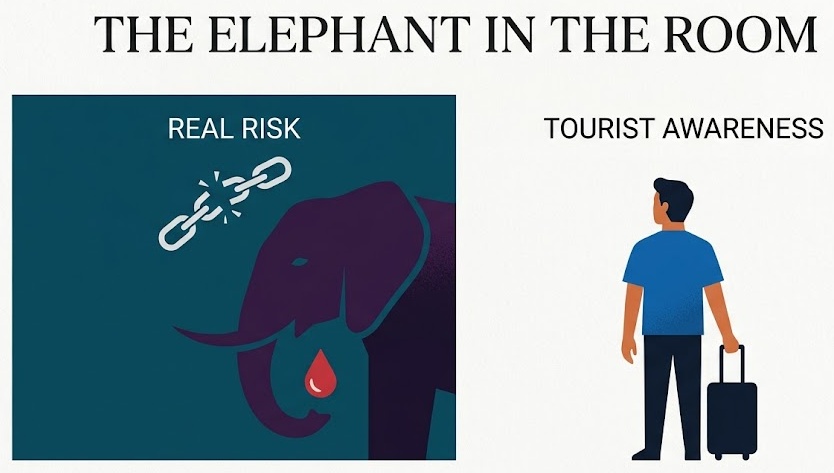
You cannot discuss the changing tourist demographics in Colombia without addressing the very real security concerns that have dominated recent headlines. Earlier this year, the United States State Department and various embassies issued stark warnings regarding travel to certain parts of the country. These advisories specifically highlighted a rise in crimes targeting foreigners, particularly those using dating applications or frequenting notorious nightlife districts. The highly publicized use of incapacitating substances like scopolamine in areas such as Parque Lleras has rightfully caused alarm among prospective visitors.
However, when you analyze the data behind these incidents, a clear pattern emerges. The majority of these crimes are heavily localized and disproportionately affect a specific type of visitor. Individuals who treat the city as a lawless playground, engaging in reckless behavior or seeking out illicit activities, are finding themselves at a significantly higher risk. This reality has acted as a powerful deterrent. The very demographic that contributes to the more chaotic elements of the nightlife scene is being scared away by the very real consequences of their actions.
For the average tourist visiting museums, dining at local restaurants, and exploring the mountains during the day, the day-to-day threat level remains manageable with standard travel street smarts. The departure of the reckless party crowd is actively lowering the footprint of bad tourism. As these specific travelers look for new, unregulated destinations elsewhere, the city is breathing a collective sigh of relief. The streets and public spaces are slowly being reclaimed by locals and visitors who are there to appreciate the culture rather than exploit it.
The Gentrification Squeeze and Rising Costs
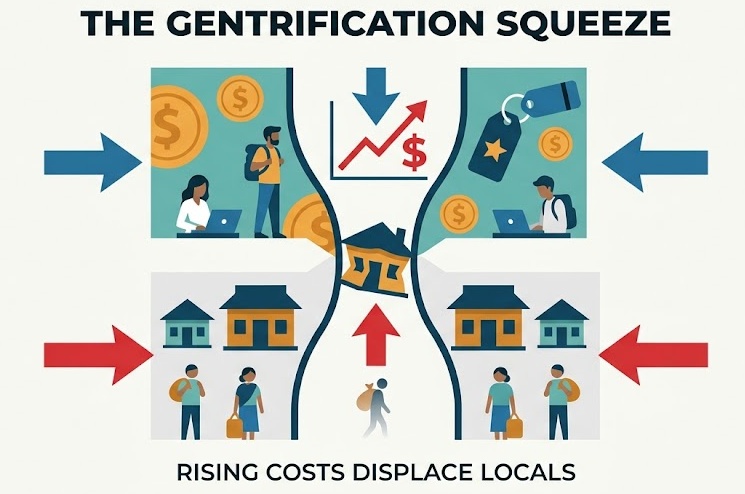
Another major factor driving the perceived exodus of certain tourists is the simple economics of supply and demand. Just a few years ago, budget travelers and remote workers flocked to neighborhoods like El Poblado and Laureles because they offered an incredibly high quality of life for a fraction of the cost of living in North America or Europe. This massive influx of foreign capital had an immediate and predictable effect on the local economy. Property owners quickly realized they could earn significantly more by converting residential apartments into short-term rentals, driving up housing costs for everyone.
Over the last few years, accommodation and guided excursion prices in these popular neighborhoods have increased at a rapid pace. The days of securing a luxury apartment for pennies on the dollar are firmly in the past. High-end coffee shops, boutique fitness centers, and international restaurants have replaced traditional businesses, catering almost exclusively to the newly arrived remote workforce.
This gentrification squeeze has fundamentally altered the value proposition for the ultra-budget backpacker. Those who prioritize traveling on an absolute shoestring budget are finding that their money simply does not go as far as it used to. As a result, the trend-chasing digital nomads and budget-conscious backpackers are packing their bags and migrating to lesser-known cities or neighboring countries where their currency holds more power. This economic filtering process is leaving behind a demographic of travelers who are willing to pay a fair, sustainable price for quality services.
The Push for Responsible Travel
The shifting demographic of visitors is not solely the result of external factors like embassy warnings and rising rent. There is a powerful, grassroots movement originating from the residents of the city itself. The local population, deeply proud of their heritage and the miraculous transformation their home has undergone over the past twenty years, is pushing back against exploitative travel trends. Neighborhood associations and municipal authorities have grown increasingly vocal about the negative impacts of unchecked tourism.
This pushback is taking tangible forms. Authorities are stepping up regulations on short-term rentals, cracking down on noise violations, and heavily penalizing establishments that cater to illicit underground economies. The goal is not to close the doors to foreigners, but to establish boundaries that demand respect for the local way of life. The residents want visitors to experience their world-class public transit system, their innovative urban planning, and their renowned gastronomy, but not at the expense of their own peace and security.
As these regulations tighten, the destination is maturing. It is transitioning away from being known as a cheap place to party and is solidifying its reputation as a global hub for innovation, art, and nature. This evolution requires a different kind of visitor. It requires someone who is curious, respectful, and eager to learn about the complex history and bright future of the Antioquia region.
Why This is the Perfect Time to Visit
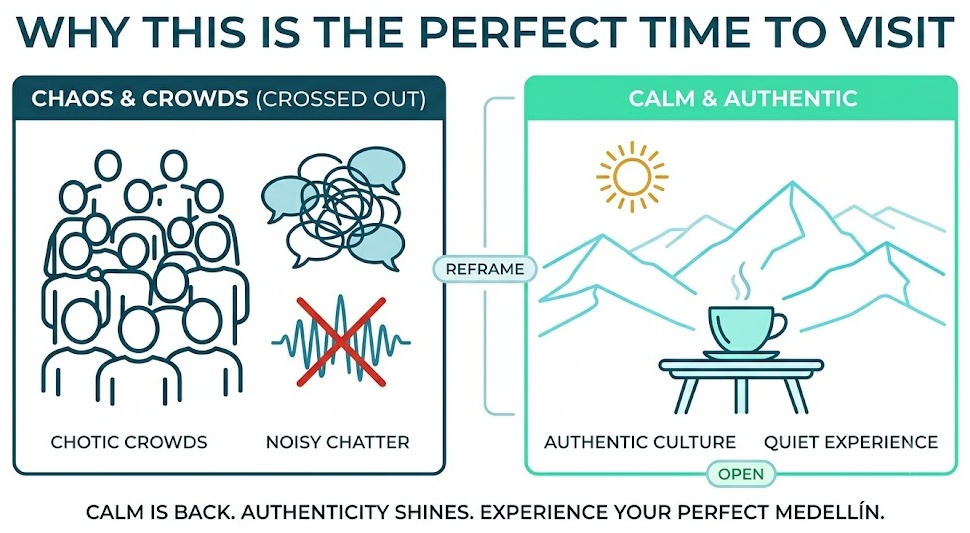
If you are planning a trip and feeling hesitant because of the recent chatter online, it is time to reframe your perspective. The departure of the chaotic crowds and the stabilization of the tourist economy means that the authentic culture of the region is finally shining through again. You no longer have to fight through throngs of rowdy backpackers to enjoy a quiet cup of world-class coffee or appreciate the sweeping views from the surrounding Andean mountains.
Navigating this new era of travel does require a bit more intentionality than it did in the past. The key to unlocking the true magic of the region while prioritizing your personal safety is relying on local expertise. Wandering aimlessly without context is no longer the recommended way to explore. Instead, curated experiences led by knowledgeable professionals offer a secure and deeply enriching alternative.
Experiencing the Real City
Whether you want to understand the profound social transformation by walking through Comuna 13, learn about the agricultural heritage on a working coffee farm, or safely navigate the bustling historical downtown, having a trusted guide makes all the difference. Professionals who understand the rhythm of the streets can steer you clear of tourist traps and potential hazards, allowing you to focus entirely on the beauty and warmth of the local culture.
Conclusion
The rumors of a tourism collapse are greatly exaggerated. The city is simply shedding its skin and outgrowing the chaotic travel trends of the past decade. The decline of the wrong kind of tourism is actively making room for the right kind. The streets are safer for those who respect them, and the cultural experiences are more authentic than they have been in years. If you are ready to experience the true, beautiful, and secure side of the City of Eternal Spring, we invite you to book a specialized, expertly guided excursion with Medellin-Tours.com for your next adventure.